
Short answer
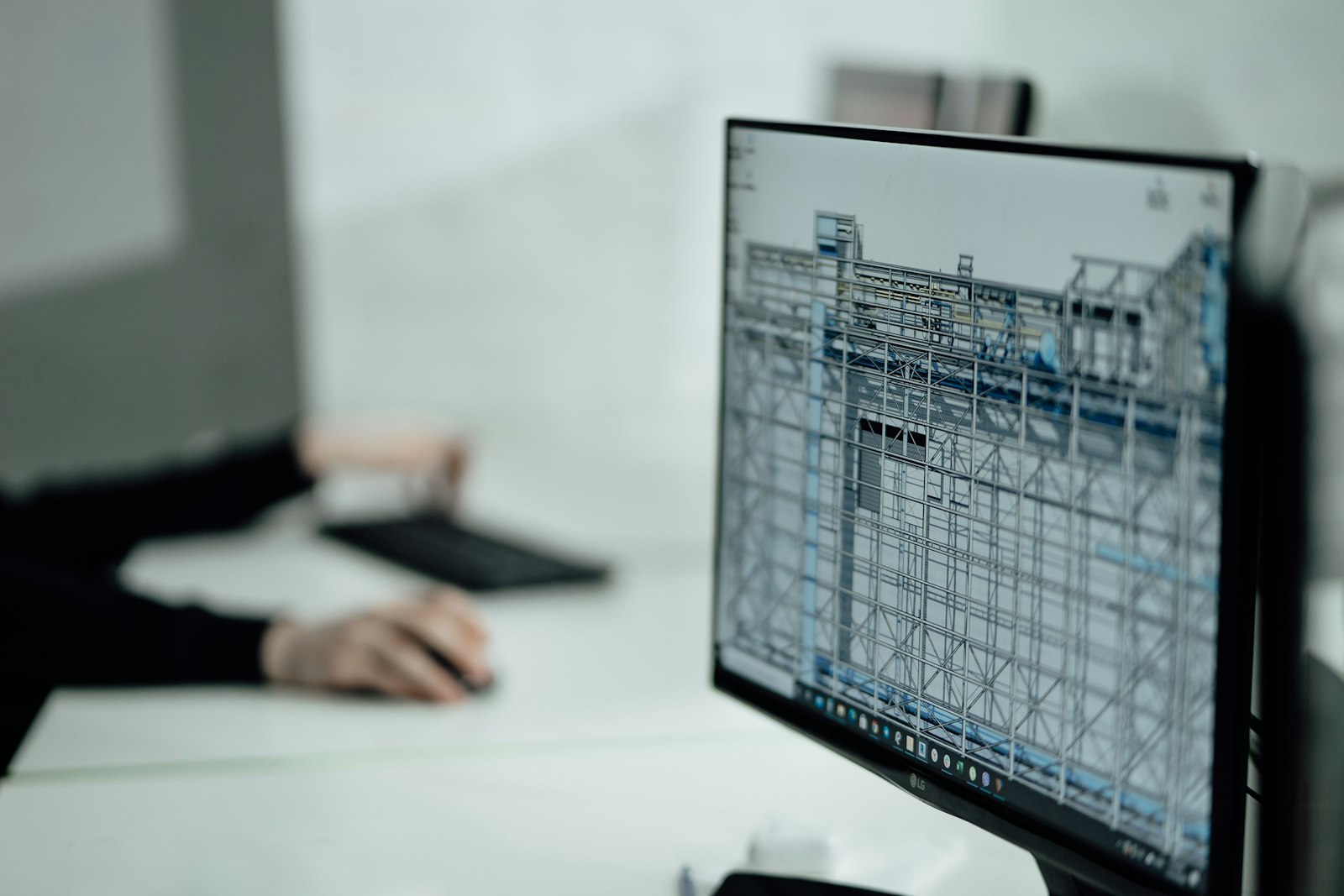
A digital twin combines a 3D or spatial model of an asset with live data from BMS, IoT sensors, meters and maintenance systems. Operators can see what is happening, why, and what to do next.
Typical uses
- Find faults and their location quickly.
- Compare energy use across floors, tenants or buildings.
- Plan maintenance from real condition data.
- Simulate changes before making them.
- Hand over a living record from developer to operator.
Getting started
- Connect reliable data first: BMS, meters, IoT, CAFM.
- Agree naming and tagging standards.
- Start with dashboards; add the 3D model where it helps decisions.
- Add AI for predictions and automated work orders.
See digital twins and command centres.
What a digital twin is — and is not
A digital twin is a live digital model of a building or campus that combines its geometry (often from BIM) with real-time data from building systems, sensors and maintenance records. It is not just a 3D model; its value comes from connecting the model to what is actually happening in the building.
The building blocks
- Model: as-built BIM or a simplified 3D model of floors, rooms and assets
- Data: BMS points, energy meters, IoT sensors, access control, CCTV events
- Asset information: equipment registers, warranties, manuals and maintenance history
- Platform: software that links data to locations and assets, with dashboards and analytics
Use cases for facilities teams
- Locate a faulty fan coil unit instantly and see its history before sending a technician
- Compare energy use across floors, tenants or buildings
- Track space utilisation to right-size offices and meeting rooms
- Plan maintenance shutdowns by seeing which areas and systems will be affected
- Support emergency response with live views of doors, cameras and occupancy
Start with good handover information
The biggest obstacle is usually poor data. For new projects, specify digital handover requirements early: consistent asset tags, naming conventions, as-built drawings and test certificates. For existing buildings, start with critical assets and expand over time.
Integration and security
Connecting building systems to a twin platform requires secure gateways, segmented networks and controlled remote access. Agree data ownership and access rights between owner, operator and service providers at the outset.
Measuring return
Typical benefits include faster fault finding, fewer reactive call-outs, energy savings and better use of space. Choose two or three metrics before you begin, run a pilot on one building and use the results to build the business case for a wider roll-out.
Frequently asked questions
Is a digital twin just a BIM model?
No. BIM is the design model; a twin connects it to live operational data.
Is it only for large projects?
Large sites benefit most, but a dashboard-first twin can suit a single building.
What data is needed?
BMS points, meters, IoT sensors, asset registers and maintenance records.